case study 01 · human–nature relations
Nature Blanket
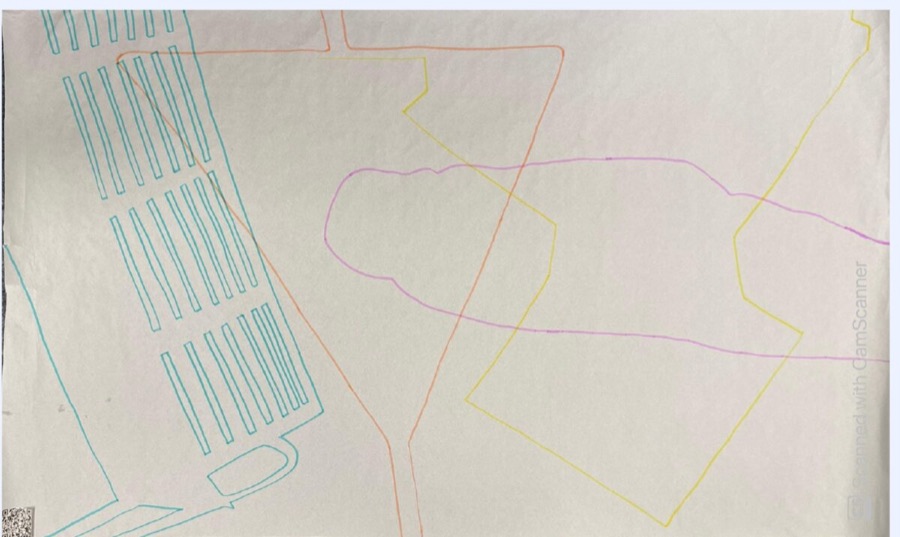
A picnic blanket cut with the park's own shadows. Line it up with the real ones and the bench you've passed a hundred times becomes a puzzle worth stopping for.
Why nature, why now
Time spent with nature is falling as cities grow and lives move onto screens. People stop noticing the small things around them, and there are few everyday tools or rituals that invite a closer look.
design goalDesign an autonomous technology that helps people see nature in a different light, and rethink how they relate to it.
The sun is the interface
tap an hour
At 12pm the statue's shadow lines up with the purple outline on the blanket.
How the idea moved
- 01A sundial: watching light and shadow as a way to see nature.
- 02A puzzle made of shadows.
- 03A picnic blanket instead of a paper puzzle.
- 04Fixed objects (bench, lamp, sign, statue) as shadow references.
- 05A QR code for instructions, a gallery, park trivia and sun facts.
Testing in the park
Two groups used the blanket together and were interviewed separately.
group 1 · 2 people
- Needed instructions to read the patterns, so we added the QR guide
- Three patterns felt too few; a fourth was added
- Cloudy weather made matching hard
- Pushed them to explore more of the park
group 2 · 3 people
- Enjoyable, with a real sense of achievement on a match
- Shadows kept moving, so timing was hard
- Too big to carry around while matching
- Many similar shapes in the park caused confusion
What it did, and didn't
worked
More exploring of the park, attention to light and shadow, longer time outdoors, and interaction with nature that felt fun.
limits
Imprecise matching, a pattern that expires as the sun shifts with the seasons, and success that depends on the weather.
Honest reflection
Shadows proved a good guide for exploring a park with friends. But solving the puzzle became the goal, and noticing nature slipped into second place. After a few uses the novelty wore off.
It didn't change how people relate to nature on its own. It did open a better question: what if design could make the fleeting movement of shadows something tangible and shared?